

Child-Centered Treatment and Counseling in Chicago
Growing up comes with new struggles. A little support goes a long way.
Already know you’re looking for extra support? Let’s get to it.
A Space To Grow
Children thrive when they feel seen, heard, and accepted. A little extra support and guidance for your child when they are young can have a lasting impact on their sense of self and overall well-being. In a child-centered space, they are met with warmth, consistency, and respect. Over time, this safety builds resilience, confidence, and emotional regulation skills that can extend beyond therapy and help them for the rest of their lives.
When children are struggling, it doesn’t always come out in words. It can show up as big emotions, shutdowns, defiance, clinginess, anxiety, or changes at school. As a parent or caregiver, you may feel concerned, unsure, or even helpless at times. Child-centered therapy offers a supportive space where your child can work through challenges in a way that feels natural and safe to them.

Having frequent meltdowns or emotional outbursts
Struggling with behavior at home or school
Experiencing anxiety or excessive worry
Adjusting to a transition (divorce, move, new sibling, school change)
Showing signs of sadness or withdrawal
Having difficulty with peers or social skills
Processing grief, trauma, or family stress
Children often don’t have the words to explain what feels overwhelming. Therapy gives them a developmentally appropriate way to work through it. Our clinicians specialize in working with children in a safe, supportive way that is tailored to their individual needs.
You might consider therapy if your child is:
If something about this resonated with you or if something inside you says your child may need some extra help, reach out.
What does therapy for children look like?
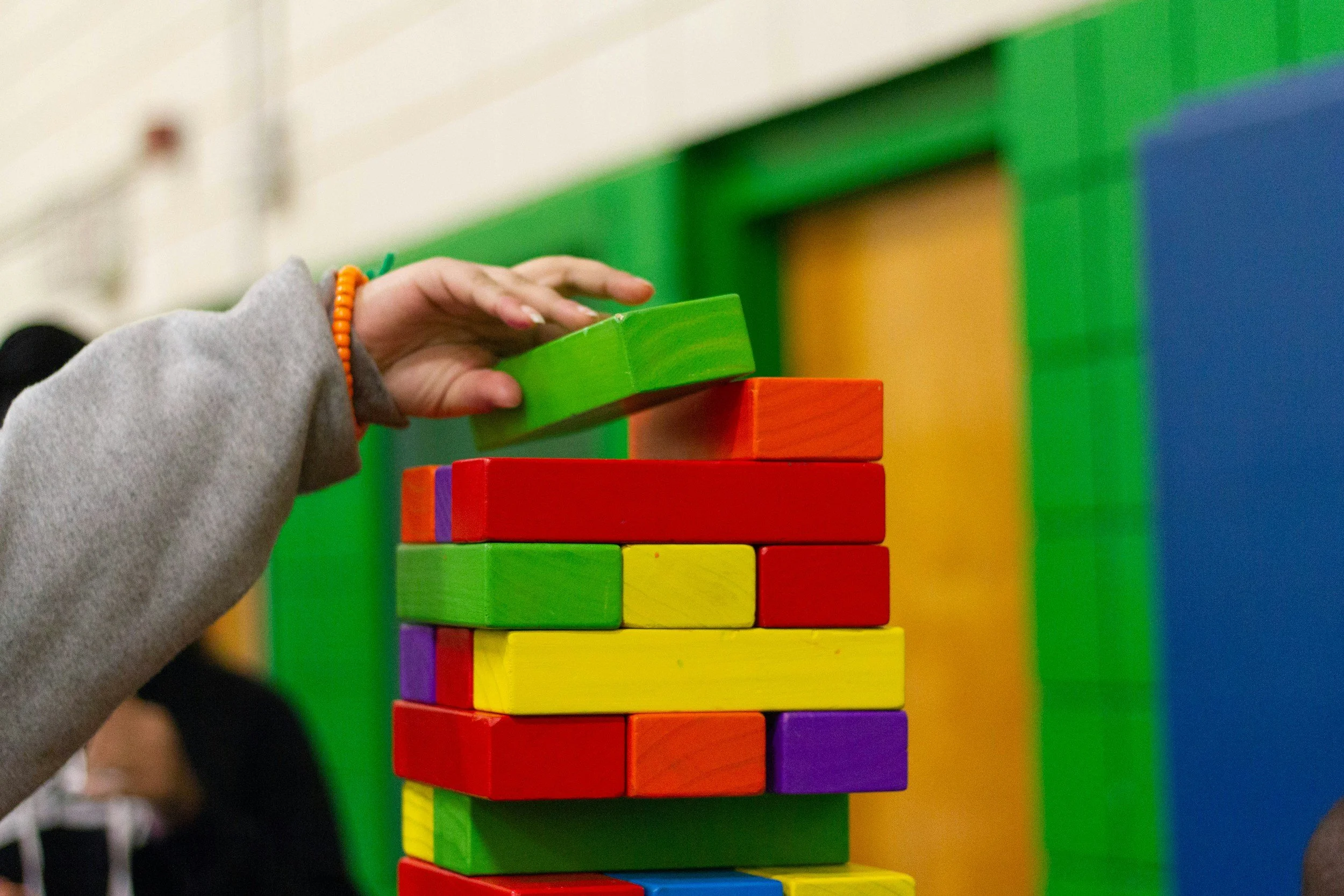
Child-centered therapy is grounded in the understanding that children communicate through play, creativity, and relationships. Rather than directing or “fixing” your child, this approach:
Follows your child’s lead
Builds emotional safety and trust
Encourages self-expression through play
Supports confidence and autonomy
Helps children make sense of their experiences at their own pace
Through a consistent, attuned therapeutic relationship, children learn to identify feelings, regulate emotions, and develop healthier ways of coping.

How are parents involved?
You are an important part of your child’s growth. Parent involvement typically includes:
Regular check-ins to discuss themes and progress
Support in understanding your child’s emotional world
Tools for responding to challenging behaviors and big emotions
Strengthening connection and communication at home to help your child flourish
The goal is not just change in the therapy room — it’s supporting your child across environments so they can grow into the best version of themselves.